Inhospitality or Homosexuality?
Which Was The Sin of Sodom?
Inhospitality is the biblical reason
for God’s judgment on Sodom.
Inhospitality or lack of hospitality is always the biblical reason given, for the destruction of Sodom, if we accept what the Bible says. Many preachers scoff at that truth and yet, biblically and historically, inhospitality is the reason God destroyed Sodom and her neighbor cities.
If we go by what the Bible actually says, there were no homosexuals in Sodom. Homosexuality and homosexuals are never given as scriptural reasons why God destroyed Sodom. If we ignore the clear biblical teaching on this issue, we are rejecting God’s truth and embracing false teaching.
Do you love God’s truth enough to stand up against false teaching, even if it means going against the biases, hobby horses and prejudices of your own religious tribe?
Strange bedfellows! If they agree on nothing else, Roman Catholics, evangelicals and fundamentalists believe homosexuality caused God to destroy Sodom. Yet when asked to cite scripture which clearly states that homosexuality was the sin of Sodom, they are unable to do so because the Bible never says what they assume it says on the gay issue.
Perhaps that is because inhospitality or lack of hospitality, among other sins, provides a better and more biblical answer to the question, than mindlessly insisting, Sodom was all about gays and lesbians. It is difficult for modern Christians in an entirely different cultural setting, to grasp the importance of hospitality in biblical times.
What does the Bible say about
hospitality and lack of hospitality?
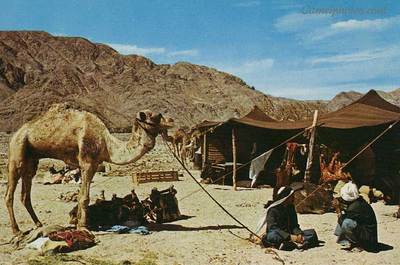
At end of day, a goat’s hair tent felt like home.
Hospitality in ancient near Eastern culture was far more important than in modern western culture. Travel through an often desolate wilderness was a tiresome process. Inns and safe places to spend the night were few and far between. Therefore travelers tended to stop and spend the night with whoever was friendly enough to offer shelter.
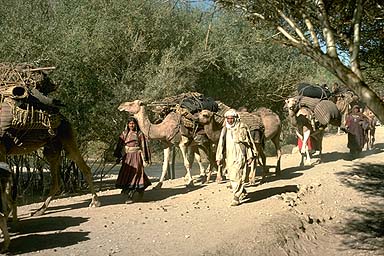
Imagine yourself riding a camel through dry, dusty country, day after day and you begin to appreciate the importance of hospitality in ancient times. Making weary travelers welcome for an overnight stay was common in the ancient near east. Hosts welcomed travelers passing through, expecting the same hospitality would be afforded them in their travels.

The desolate wilderness of Israel
In the Sodom story, Genesis 19, Lot is responsible for the safety of his angel visitors and all their needs as long as they are under his roof. Travelers in ancient times depended on the hospitality of strangers for their lives and safety.
Was Inhospitality The Sin Of Sodom?
1. The Testimony of Lot, an eyewitness
 |
Lot and his daughters
After the men of Sodom gather at Lot’s door and demand, “Bring the men out unto us that we may know them,” Lot steps outside, shuts the door to protect his guests and tries to reason with their would-be rapists. Lot, the main participant and an eyewitness to the incident, cites hospitality as the primary reason the men of Sodom should not rape his visitors:
“for therefore [for hospitality] came they
under the shadow of my roof” Genesis 19:8.
Lot’s appeal to the men of Sodom not to breach the hospitality ethic provides evidentiary heft for anyone who believes the Bible. For Lot, an active participant in this drama, inhospitality by the men of Sodom was a major factor in the Sodom story.
Anti-gay Christians claim that committed same sex relationships or gay marriages transgress the male-female complementarity which God built into humans at creation.
Lot apparently didn’t get that memo, because he never argues: “Don’t rape these men because that would transgress male-female complementarity.”
2. The Testimony of Jewish Law
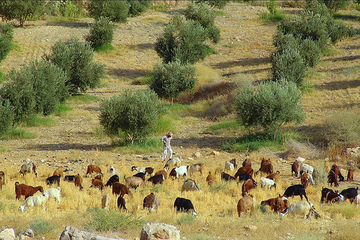 |
A flock of goats in Israel
In ancient Israel, goats provided milk, meat, money, skins for clothing and sandals, and goat hair, which could be spun into thread for making strong, durable cloth, for clothing and tents, Proverbs 27:27. Genesis 13:8 tells us that the herds of Abraham and Lot were so large the men agreed to separate their camps, in order to have enough room to graze their flocks.
Lot pitched his tent toward Sodom, Genesis 13:12, so he could dwell in the cities of the plain and ended up destroying his testimony, Genesis 19:14. Eventually, the pagan influence of the people of Sodom also destroyed Lot’s family.
Scripture demonstrates extraordinary concern for the welfare of strangers. God carefully instructs His people that strangers must be treated with hospitality, justice and kindness. Emphasis on hospitality, being scrupulously careful not to practice inhospitality, permeates Jewish law. Can you believe, many anti-gay pastors deny this basic biblical truth?
- God contrasts the hospitality of Abraham with the inhospitality of the men of Sodom, Genesis 18-19. Do you appreciate that contrast? Are you hospitable to gays and lesbians?
- God commands the Jews not to treat strangers with inhospitality.
“Thou shalt neither vex a stranger, nor oppress him: for ye were strangers in the land of Egypt.” -Exodus 22:21. Do you treat gay and lesbian strangers with inhospitality?
- Do you delight in vexing gays and lesbians? Do you live like a real Christian, refusing to treat gays and lesbians with inhospitality and instead, treating them with lovingkindness and grace?
God grounds the hospitality ethic
in Israel’s personal history
As strangers in Egypt, Jews experienced the hateful inhospitality of people who despised them. They knew how it felt to be abused and mistreated. Therefore, God commands them not to abuse and mistreat strangers in their midst. This is the Golden Rule in the Old Testament. “Treat others as you would like to be treated.”
 |
Rugged Judean Canyon
3. The Testimony of Ezekiel About Sodom’s Sin of Inhospitality
The prophet Ezekiel, writing under inspiration of God, precisely describes the sin of Sodom, listing six huge transgressions committed by the people of Sodom. Don’t you find it interesting that homosexuality is not among these sins but inhospitality definitely is? Do you believe what the Bible says in context or will you reject what the Holy Spirit is showing you?
“As I live, saith the LORD GOD, Sodom thy sister hath not done, she nor her daughters, as thou hast done, thou and thy daughters. Behold, this was the iniquity of thy sister Sodom,
- pride,
- fulness of bread, and
- abundance of idleness was in her and in her daughters,
- [Inhospitality] neither did she strengthen the hand of the poor and needy. And they were
- haughty, and
- committed abomination before me: therefore I took them away as I saw good.” -Ezekiel 16:48-50
 |
Ezekiel is crystal clear
about the sin of Sodom.
If God intended us to believe that the sin of Sodom was homosexuality, God would have said so in clear and unmistakable language. He did not. Instead, God points out, in clear and unmistakable language, Inhospitality, as the sin of Sodom. Do you agree with God and His prophet Ezekiel about the sin of Sodom?
The abomination Ezekiel refers to in Genesis 19 was an attempt to gang rape angels. The vicious behavior of the men of Sodom violated the hospitality ethic. Genesis 19 is not about a loving, committed relationship between two men or two women.
Additional Information
Have you read the
Babylonian Talmud On Sodom?
The Sodom story is not about
consensual same sex relationships.
From Inhospitality, return to
Gay Christian 101 Home Page.
Google Translate
into 90 languages
We are saved:
by grace alone through faith alone
Recent Articles


-
Gay Christian 101 – Affirming God’s glorious good news for all LGBs.
Jan 08, 24 12:57 AM
 Gay Lesbian Bisexual Christian 101 – Accurate biblical and historical info defending LGB Christians from the anti-gay crowd.
 -
Romans 1 describes ancient shrine prostitution, not gays and lesbians.
Dec 21, 23 04:37 PM
 Romans 1, in historical context, is about ancient Roman fertility goddess worshipers who engaged in shrine prostitution to worship Cybele, not gays and lesbians.
 -
The Centurion And Pais – When Jesus Blessed A Gay Couple.
Nov 14, 23 10:32 PM
 Centurion and Pais? If Jesus blessed a gay relationship, would this change your view of homosexuality?
Bible Study Resources
for eDisciples